Rotational Molding Product Design
Rotational molding product design is shaped by design decisions specific to the process.
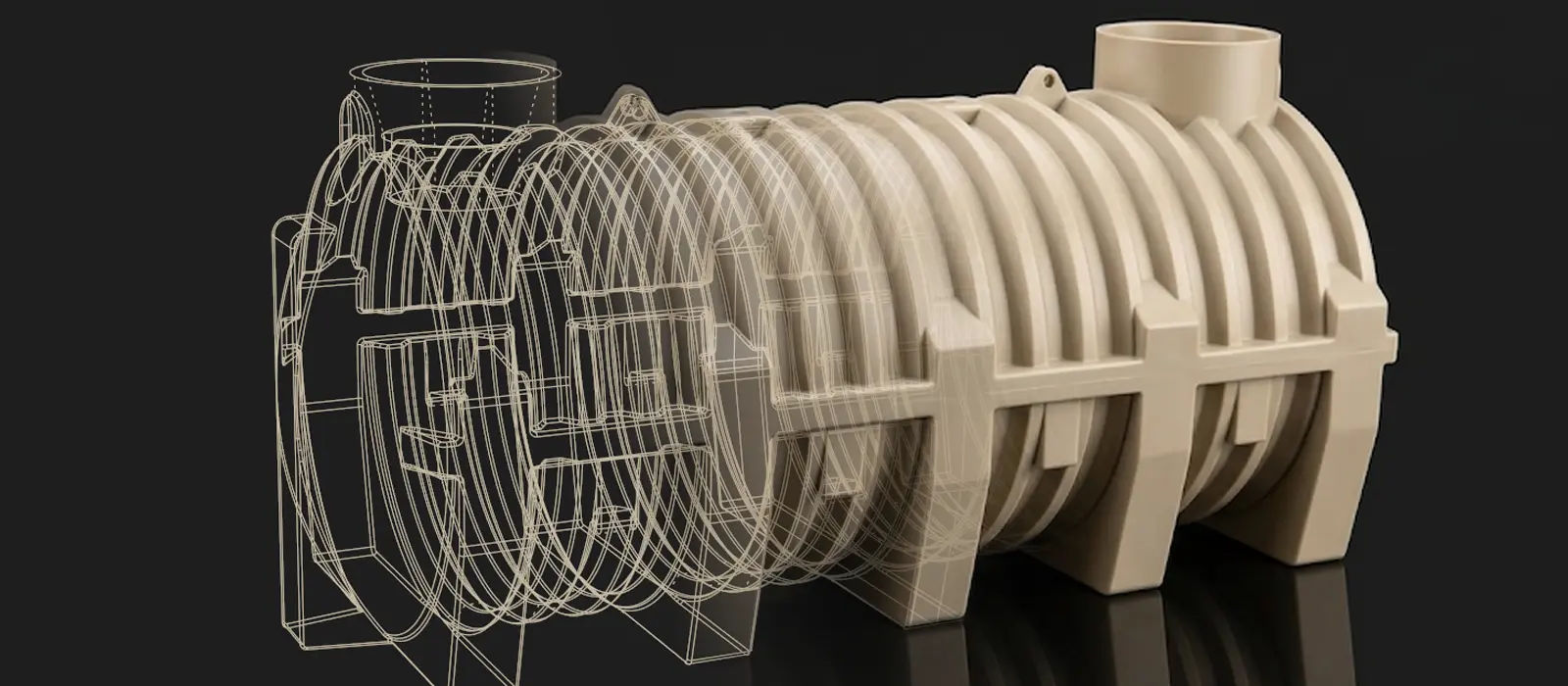
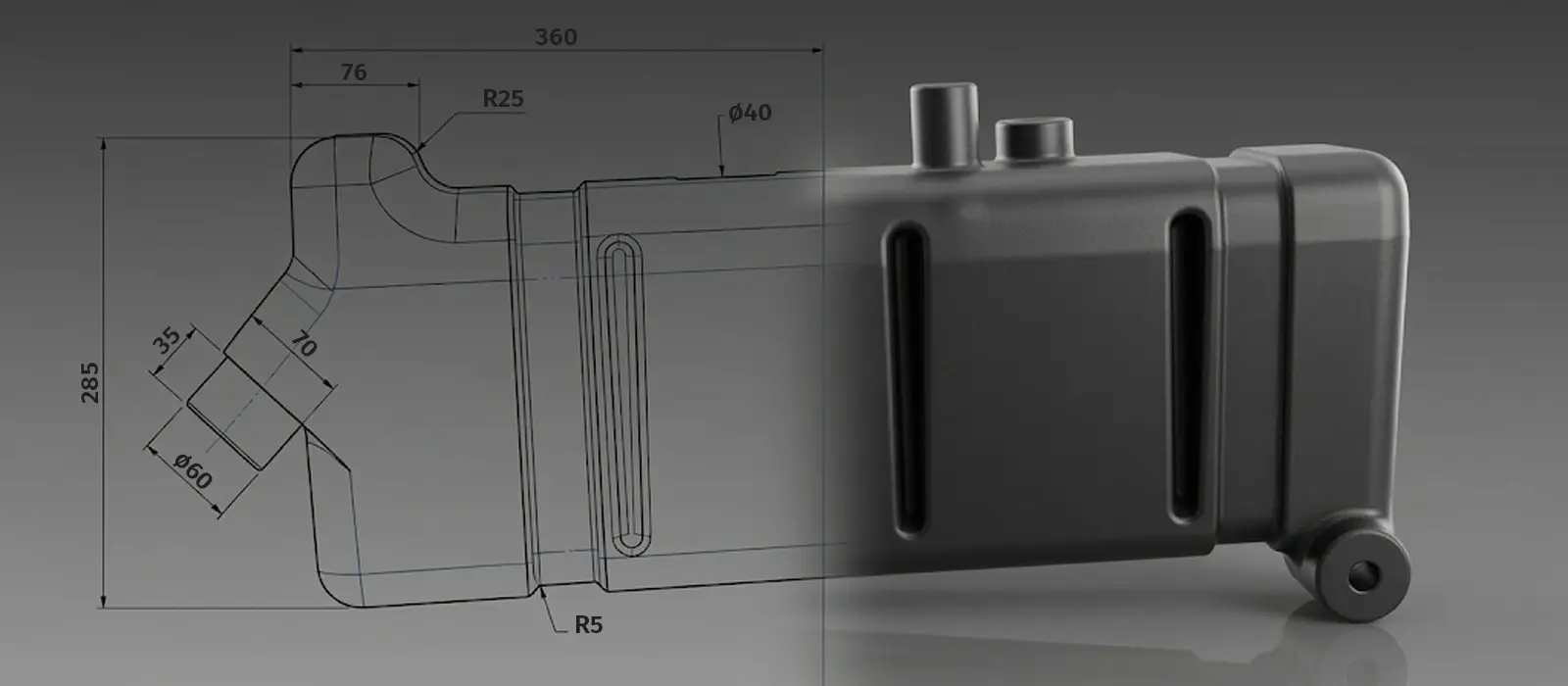
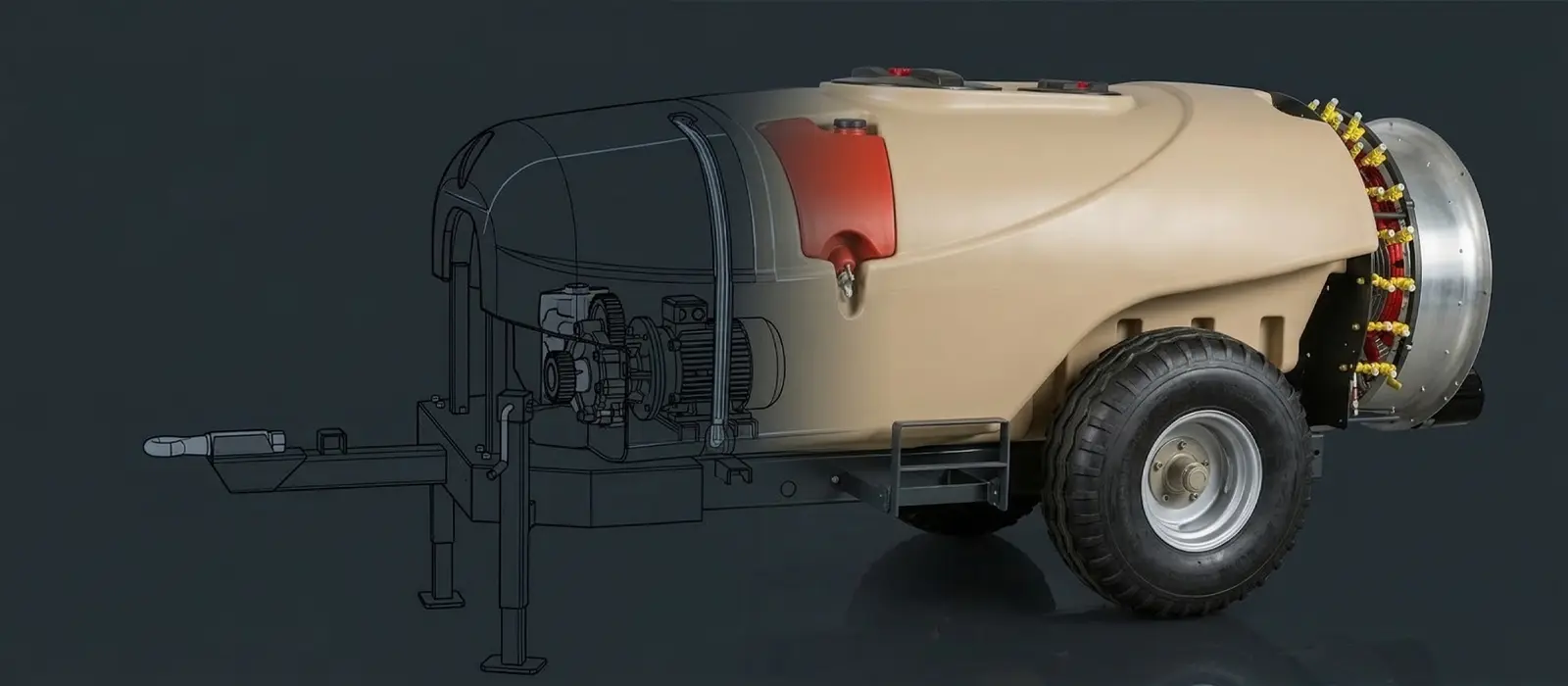
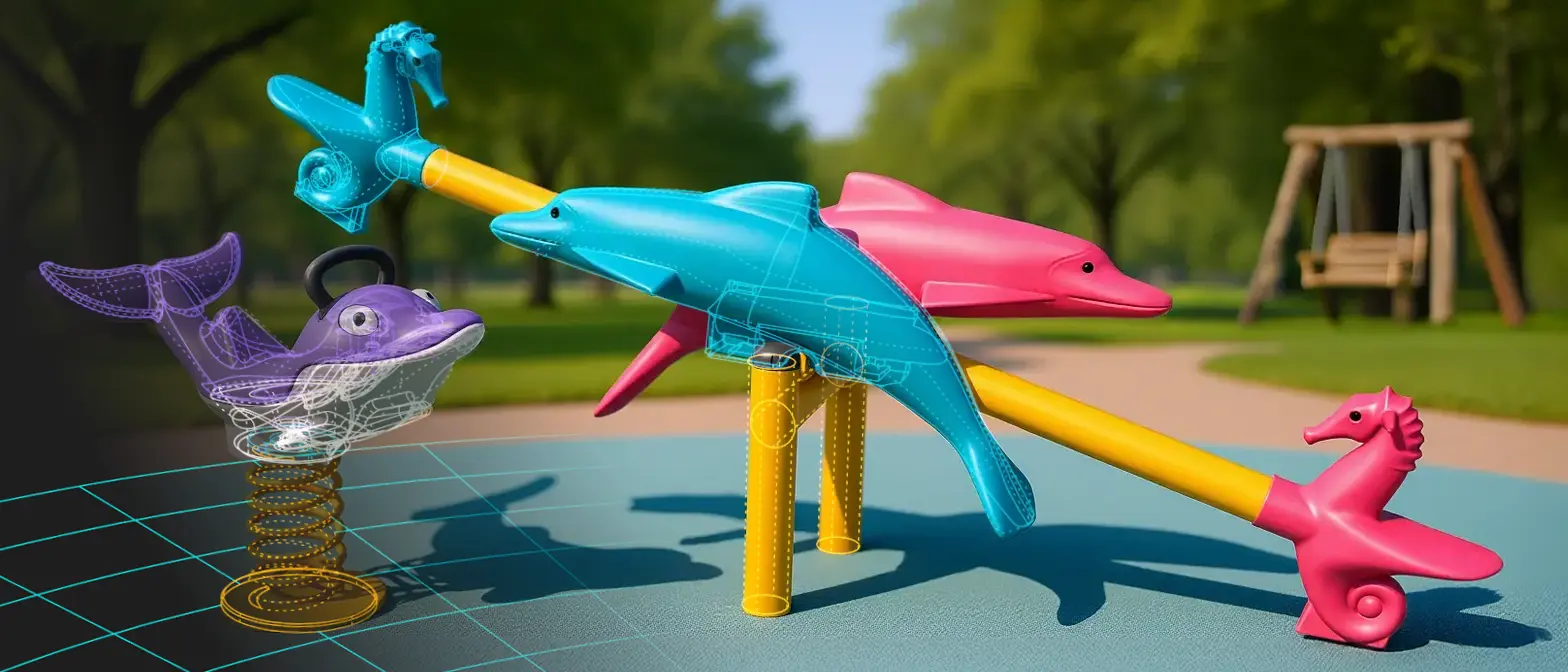
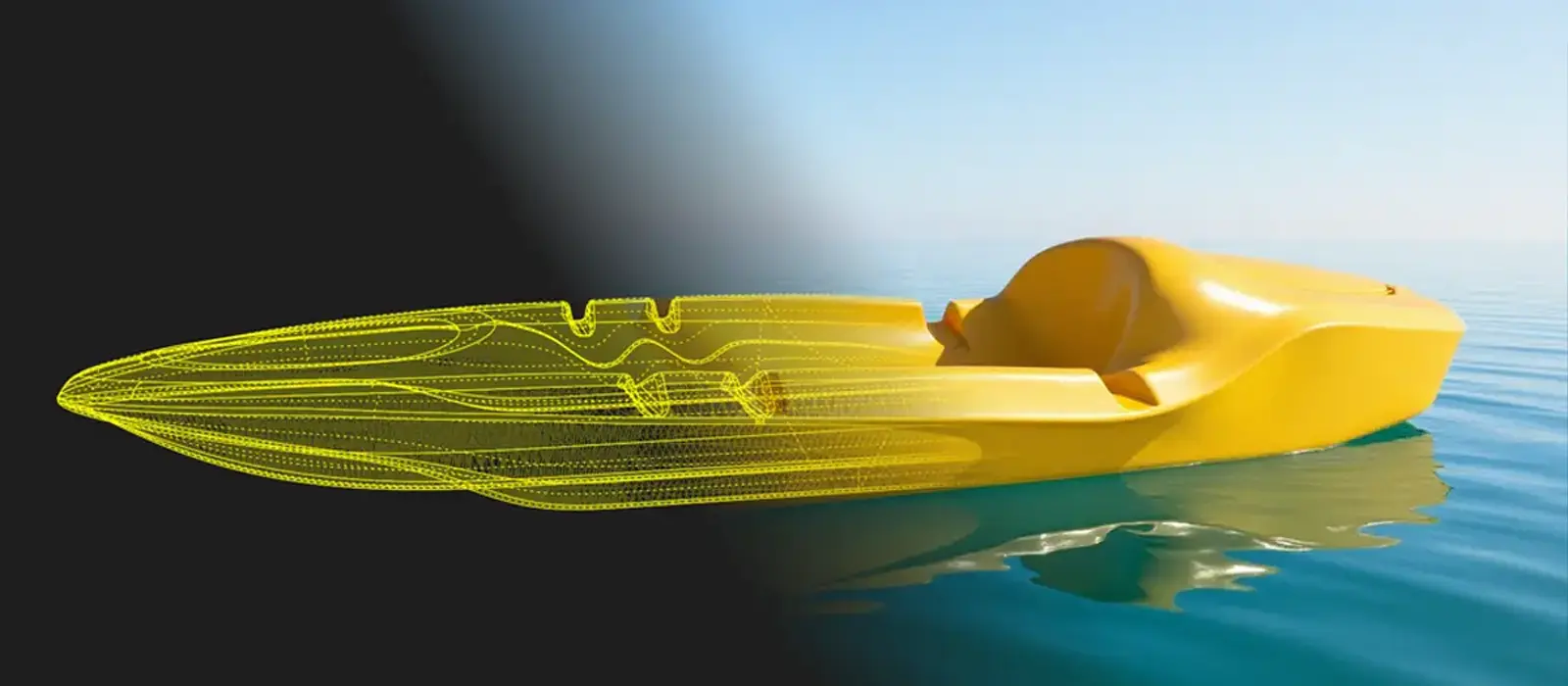
- Geometry determines not only the shape, but also how the material distributes inside the mold.
- The mold method (sheet metal, cast, hybrid) directly affects design decisions.
- Surface-quality expectations must be defined together with the chosen mold method and level of detail.
- The target tolerance level must be defined realistically together with the geometry and mold approach.
- Whether the part is built as a single-wall or double-wall structure changes the design framework from the start.
- In rotational molding, stiffness is often achieved not by simply thickening the part, but through proper geometry.
Design decisions specific to rotational molding
Rotational molding product design is shaped by process-specific decisions.
Method
A sound design decision starts with selecting the right manufacturing method. Part size, production volume, performance expectations, and mold investment define that decision from the outset.
Process
The core operating logic of rotational molding directly determines how a part should be designed. The pressureless nature of the process, hollow-body production, and wall-thickness logic all directly shape geometry.
Mold Selection
Mold strategy is not a secondary detail added later in the design. Choosing sheet metal, cast aluminum, or hybrid construction directly shapes surface quality, revision logic, and investment structure.
Geometry
In rotational molding, a part is often approached as a hollow shell. Surface relationships, pockets, flat areas, and transitions should be considered together in terms of both mold structure and manufacturability.
Flat Surfaces
Large flat surfaces in rotational molding must be handled carefully in terms of stiffness and shape stability. As surface size increases, visual quality, stability, and reinforcement requirements become more pronounced.
Kiss-Offs
If a double-wall part is expected to carry load, the relationship between the two surfaces must be planned from the beginning. Kiss-off layout affects not only strength, but also manufacturability.
The right design decision depends on the project
We can evaluate together which geometry strategy, mold approach, and production logic make the most sense for your part.